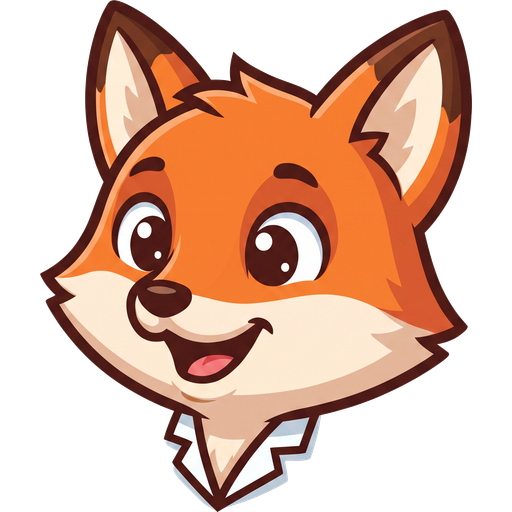
How to describe a mascot so the AI gets it right
A mascot's description becomes its permanent identity, reused on every pose and animation built from it. What to put in, what to leave out, and the mistake that quietly ruins every later image.
Updated 5 August 2026
The description is not a one-off instruction
Most prompt advice treats a description as something you write, use once, and discard. A mascot description is not that. It becomes the character's identity: it is sent again, unchanged, alongside the reference image on every pose and every animation you generate afterwards. Get it right once and everything downstream inherits the benefit. Get it wrong and every image pays for it.
Mascots are also locked when they are created. The design is fixed so that later work has something stable to anchor to, which means the description cannot be edited afterwards either. If it turns out to be poor, the fix is generating the character again rather than correcting it in place.
Describe the character, not the change
This is the single most common mistake and the least obvious one. When you build a new mascot on an existing one, it is natural to write what is different: "a blue version of this one", "the same but grumpier". Read on its own, that sentence contains no appearance at all. It describes an edit, and the edit is meaningless once separated from the thing it was editing.
What that looks like in practice
Two characters were put in one frame. One was described as "fluffy round mascot". The other's entire description was "a light blue version of this mascot but with a different attitude". The first came back with its shaggy fur outline intact. The second lost its fur, gained a pale belly patch it never had, and gained differently coloured feet.
Fluffy and round is what the words said, and fluffy and round is what survived. The other character had only its reference image to hold it together, and a reference image alone is not enough when the text beside it is pulling in no direction at all.
So describe what the character looks like, even when what you want is a variant. "Fluffy round light blue mascot with thick eyebrows" carries into every later pose. "A blue version of that one" carries nothing.
What belongs in the description
Aim for one dense sentence rather than a paragraph. Image models weight earlier words far more heavily, so the first few carry most of the meaning, and a long description mostly dilutes its own opening.
- What it is: the animal, object or creature, first and plainly
- Silhouette: round, tall, stocky, long-limbed, the shape you would recognise in shadow
- Colour, including where it varies, such as a lighter belly or darker ears
- Texture: fluffy, smooth, metallic, matte. This is what drifts first if unstated
- One or two distinctive features: thick eyebrows, a chipped tooth, oversized glasses
- Mood, if the character has one: calm, eager, sleepy
A distinctive feature does more work than a long list of ordinary ones. A character with one memorable detail stays recognisable across a dozen poses; a character described only in generalities does not, because there is nothing specific for later images to preserve.
What to leave out
The mascot is the character, not the scene. Anything that changes between images belongs on the pose instead, where it applies to one render rather than becoming part of who the character is.
- Actions and poses: waving, running, sitting. Describe these when you generate a pose
- Backgrounds and settings: the character is rendered on a plain background by design
- Camera and framing: close-up, side view, angle
- Art style: this is a separate field, so putting it in the description competes with itself
- Props the character holds: props are their own artifact and are attached per pose
Style deserves emphasis because the mistake is so easy. Writing "flat vector cheerful fox" in the description and also setting a style means the style is being specified twice, and the two can disagree. Describe the fox; let the style field say flat vector.
Describing poses and second characters
Once the mascot exists, a pose description only needs the action. The character is supplied by the locked reference, so repeating its appearance adds nothing and risks contradicting it. "Waving at the camera, delighted" is a complete pose prompt.
A pose can hold two characters. When it does, both are identified to the model by the order their references are sent, and both descriptions travel with them. This is precisely where a weak description shows: put a well-described character next to a vaguely described one and the vague one is the one that drifts.
A quick checklist
- Does the sentence describe an appearance, or only a change to one?
- Would someone who has never seen the character be able to draw it?
- Is there at least one detail that is specific to this character?
- Have you kept actions, backgrounds and camera out of it?
- Is the style in the style field rather than in the description?
Next
- How to generate app mascots in Claude Code
- How to keep an AI character consistent across every image
- Can you use an AI-generated mascot commercially?
- How to animate a mascot for your app's UI
- Where to use a mascot in your app
- Mascot or logo: which does your app need?
- How to build a set of mascot poses and expressions
- Start with your own mascot